What is Hard Water & How to Test for It
What is hard water? Hard water has high levels of minerals like calcium and magnesium.
These minerals get into water as they move through rock and soil. Then, they travel into your home.
Because of these minerals, hard water can cause buildup in pipes, stains on sinks, and damage to appliances. It can even affect your skin and hair.
Of course, hard water is very common in Illinois and Florida. For this reason, many homes in these states deal with it every day.
Let’s take a look at:
- What is hard water and what is hard water scale?
- The causes of hard water
- Hard water levels in Illinois and Florida
- How hard water affects your home and body
- What do water softeners do
- How hard water testing works
- Why Complimentary Professional Testing is best
Keep reading!
What Is Hard Water and What Causes It?
Many people ask, what is hard water? And why does it matter? The answer is truly simple.
So, what is hard water made of? Hard water contains dissolved minerals. The main minerals are calcium and magnesium.
First, rain falls to the ground. Then, the water soaks into soil and rocks. As it moves, it picks up minerals. Therefore, by the time it reaches wells or water plants, it contains dissolved solids.
The more minerals in the water, the harder it is. That is a fact.
Water hardness is measured in grains per gallon, also called GPG. It can also be measured in parts per million.
Generally:
- 0–3 GPG is soft
- 3–7 GPG is moderate
- 7–10 GPG is hard
- 10+ GPG is very hard
Therefore, if your home tests above 7 GPG, you likely have hard water.
In addition, groundwater usually has more minerals than lake water. So, homes that use wells often have very hard water.
However, city water can also be hard. That depends on the source. Correspondingly, testing your water is crucial.
So again, what is hard water caused by? It’s caused by natural mineral deposits in the earth.
Why Does Hard Water Happen in Some Areas?
Hard water depends on geology. Some areas have more limestone underground. Because limestone contains calcium, water in those areas becomes hard.
For example, much of the Midwest has limestone rock. As a result, hard water is common there.
Similarly, Florida has large limestone aquifers. Therefore, groundwater in Florida often contains high mineral levels.
In short, hard water is natural. However, natural does not always mean harmless.
What Is Hard Water Like in Illinois and Florida?
Notably, homeowners and buyers in these two states should know what they’re dealing with.
Illinois has large limestone deposits. Because of this, hard water is very common.
In fact, many Illinois homes test above 7 GPG. That level is considered hard. In some areas, water is very hard.
For example, homeowners often see white buildup on faucets. In addition, water heaters in Illinois can develop scale quickly.
Chicago area homes often report hard water. Plus, suburbs frequently test high also. Local well water can be very hard.
Water softeners are very common in Illinois homes. Because they help solve the problems caused by hard water.
Florida also has widespread hard water. This is because much of the state relies on groundwater.
Groundwater moves through limestone aquifers. As a result, it absorbs calcium and magnesium.
However, hardness levels vary by region. Some cities have moderate levels. Others test very high. Of course, West Palm Beach tap water is very hard, with 19 GPG!
Still, both Illinois and Florida homeowners often ask the same question: what is hard water doing to my home?
What Is Hard Water Doing to Your Appliances?
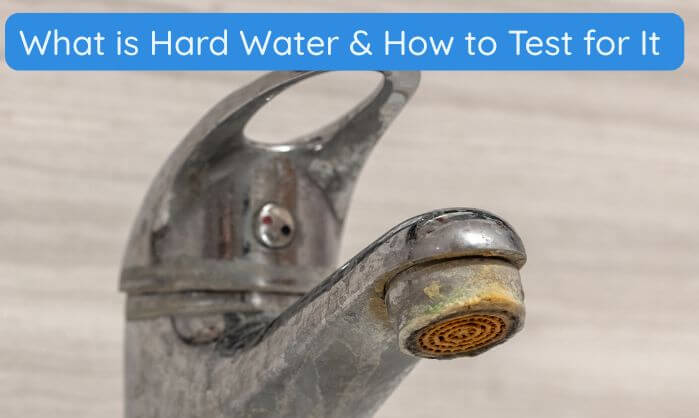
One major problem is hard water scale. Hard water scale is the white, chalky buildup left behind when water dries.
When water heats up, minerals stick to surfaces. Therefore, scale forms inside:
- Water heaters
- Dishwashers
- Washing machines
- Coffee makers
- Ice makers
Over time, this buildup grows thicker. As a result, machines must work harder.
Eventually, parts can fail. If that happens, you have to spend money on repairs. Or even replacement.
Energy Loss and Repair Costs
Because scale traps heat, water heaters lose efficiency. And then, your energy bills go up.
In fact, even a small layer of scale can raise energy use.
Additionally:
- Pipes can clog
- Water flow can slow
- Appliances may break early
As a result, hard water can cost homeowners hundreds or even thousands of dollars over time.
What Is Hard Water Doing to Your Skin and Hair?
Many people wonder, what is hard water doing to my skin?
Hard water makes soap harder to rinse off. Frequently, soap residue stays behind.
As a result, you may notice:
- Dry skin
- Itchy patches
- Tight feeling after showers
In addition, people with sensitive skin may feel more irritation. Plus, hard water residue can cause clogged pores, acne, and more.
Hard water can also affect hair. Because minerals coat hair strands, they leave buildup.
So, your mane may feel:
- Dry
- Dull
- Flat
- Brittle
- Hard to manage
- Tangled or knotted

Furthermore, shampoo may not lather well. In other words, you might not feel clean.
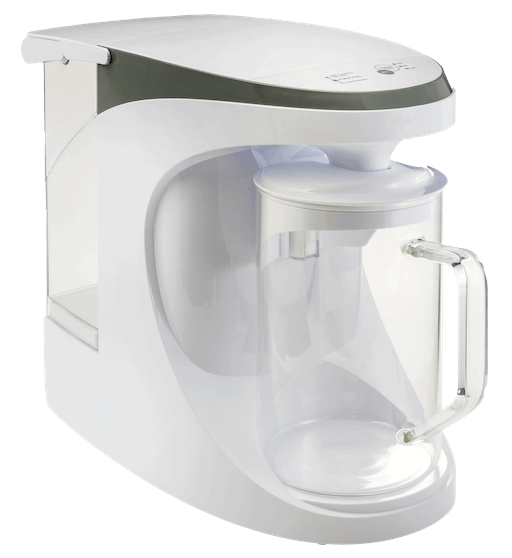
Stop Wasting Money!
Are you spending money every month on Bottled Water for your home or office? That adds up quickly and with inflation, it’s only going to cost more tomorrow.
With the NEW purAsure Counter top Reverse Osmosis System you never have to pay for another case of plastic bottles! Get yours before the price goes up and Enjoy cleaner, healthier water on demand!
While hard water is usually safe to drink, it can still impact your daily comfort. However, investing in a water softener can help with all of these issues.
What Is Hard Water Scale and Why Is It a Problem?
What’s the deal with that flaky white build-up? Hard water scale forms when water evaporates. Then, minerals stay behind.
You may see scale build-up on:
- Shower doors
- Faucets
- Water dispensers
- Toilet fixtures
- Tile work and grout
- Sinks
- Glass dishes
What to Watch Out For
At first, scale looks like spots. However, over time, it becomes thick and crusty. Because of this, cleaning becomes harder. Particularly, you may need to use chemicals. Or call a pro.If you have nice dishes, hard water can damage them. To be sure, hard water scale can etch permanent scratches in your glasses and tableware.
Hard water could damage your family heirlooms!
Long-Term Damage from Scale
Scale is more than a cosmetic issue. In fact, it can shorten appliance life.
Inside pipes, buildup reduces water flow. Next, your water pressure drops.
In water heaters, scale traps heat next to the metal. That extra stress can cause the metal to crack or fail early. Specifically, in dishwashers and washing machines, scale can damage heating elements and spray arms. As a result, the metal parts wear out faster.
Significantly, while hard water scale may seem minor, it leads to serious wear over time.
What Softens Water, and What Do Water Softeners Actually Do?
What can you do about these issues? Certainly, many homeowners ask what they can do to soften their water.
In most homes, the answer is a water softener. A water softener is a critical device for your residence. They remove calcium and magnesium from the water before it reaches your taps.
But not just any softener will do. Obviously, it’s vital to do your research.The Process Behind Water Softening
A water softener removes calcium and magnesium from water.
Most softeners use a process called ion exchange. Here is how it works in simple steps:
- First, hard water flows into a tank filled with resin beads.
- These beads hold sodium or potassium ions.
- The beads attract calcium and magnesium from the water.
- They trade their sodium or potassium for those hard minerals.
- Finally, softer water flows out of the tank and into your home.
Because the minerals are removed, scale cannot form. Not in the same way it does with untreated hard water.
What Do Water Softeners Do for Your Home?
So, what do water softeners do beyond changing numbers on a test? Ultimately, they provide many real benefits:
- Protect appliances from scale buildup
- Extend the life of pipes and water heaters
- Improve soap lather and rinsing
- Reduce white spots on dishes and fixtures
- Help lower energy bills by keeping heaters efficient
Soft water also feels smoother on your skin and hair. Obviously, this is wanted if you have children in the house.
Showers can feel nicer as well. And many people notice less dryness or itching once a water softener is installed.
Not all systems are the same, though. A high-quality water softener that is properly sized for your family will work more efficiently and last longer.
A licensed plumber can look at what is hard water doing in your home and help you choose the right unit.
Although, not all systems are equal. On the whole, choosing a high-quality water softener matters.
A properly sized unit works more efficiently. As a result, your home stays protected for years.
What Is Hard Water Testing and How Does It Work?
You can begin hard water testing at home. Usually, DIY hard water testing methods can be found online.
For example, you can try the soap test. First, fill a clear bottle with water. Then, add soap. Next, shake it. If it does not form bubbles, your water may be hard.
You can also use:
- Test strips
- Hardness kits
- Simple meters
However, these tests give only rough results.
Why Testing Comes Before Treatment
Before investing in a water softener system, testing is key!
Water testing with Angel Water tells you:
- Your hardness level
- If treatment is needed for your home
- What size softener will work best
Without testing, you may choose the wrong system. As a result, you may waste money.
Why Professional Hard Water Testing is the Right Choice
Because exact numbers matter, professional hard water testing is best.
Our licensed plumbers can:
- Measure exact GPG levels
- Test for other issues
- Inspect plumbing
- Recommend treatment
To clarify, professional testing provides clear answers. Your family deserves the best!
In addition, experts can explain what is hard water in your specific region and household.
Angel Water Offers Complimentary Water Testing
If you live in Illinois or Florida, we’re here to help.
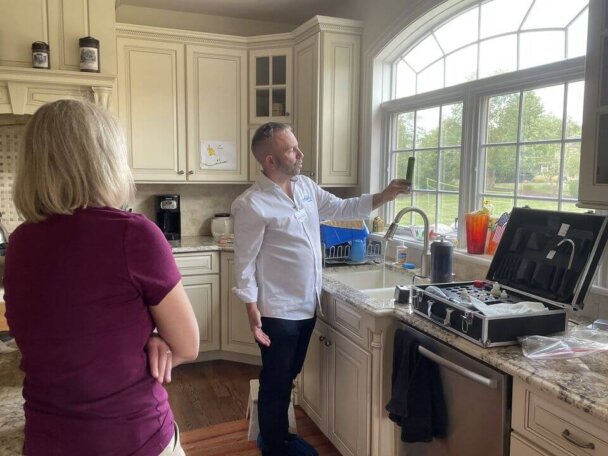
Angel Water offers complimentary professional water testing. One of our trained specialists visits your home. Then, they test your water. We’ll review the results with you.
Because every home is different, custom advice matters.
So, if you are asking, “what is hard water in my home?”, the best step is simple. Schedule a complimentary test!
With proper testing, you can protect your pipes. You can protect your appliances. Also, enjoy cleaner, softer water every day.
Want Softer Water? Schedule an Appointment Now!
Find out how a water softener can help protect your home from hard water damage. Schedule an appointment with our water specialists today to explore the best solutions for your home.