What Causes Harmful Algae Blooms in Florida?
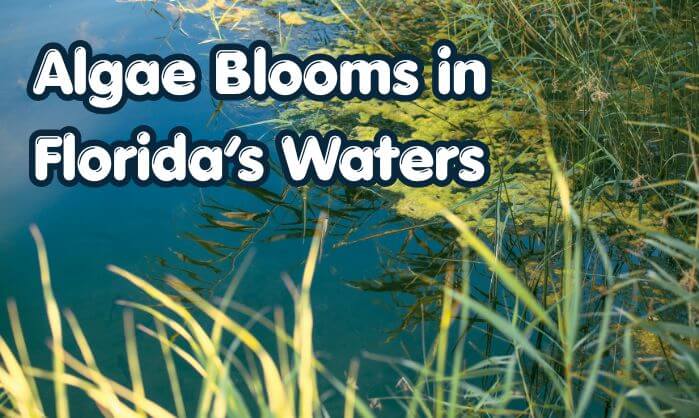
Harmful algae blooms (HABs) are a big problem in Florida. In simple terms, harmful algae blooms happen when algae grow too fast in water.
As a result, the water can turn green, thick, and dirty. Sometimes, a harmful algae bloom can also smell very bad.
In many cases, harmful algae blooms can release toxins. Because of this, the water may not be safe to touch or drink. So, while algae is natural, large blooms are not good.
Let’s take a closer look at how algae in Florida’s waters can affect you and your family:
- What causes harmful algae blooms in Florida
- Why algae blooms are harmful to people and pets
- How these microorganisms impact drinking water
- Cyanotoxins in Lake Okeechobee water
- West Palm Beach water safety
- When to test your water for algae
- Free professional water testing from Angel Water
If you live in Florida, this topic matters to you. Understand what’s going on — and what to do next.
What Causes Harmful Algae Blooms in Florida?
Florida has the perfect setup for harmful algae blooms. The state is warm. It also gets a lot of sun. On top of that, many lakes and waterways collect pollution.
Because of this, harmful algae blooms can form quickly and spread fast. In many cases, they show up in lakes, canals, and slow-moving water. So, it’s important to know what causes them.
Two main factors drive most harmful algae blooms in Florida. First, heat and sunlight speed up growth. Second, pollution adds fuel to the problem. When these two mix, blooms get worse.
How Warm Weather Fuels Algae
Florida stays hot for most of the year. Thus, water temperatures stay high. Warm water helps algae grow faster.
At the same time, strong sunlight feeds algae. Harmful algae blooms can grow in just a few days. Even a small patch can turn into a large bloom.
Also, cold weather does not last long in Florida. Algae don’t always die off in the winter like they do in colder states. In the Sunshine State, algal blooms can last longer and come back more often.
How Pollution and Runoff Cause Toxic Algae Blooms
Heat alone is not the only problem. Pollution plays a big role too. When it rains, water washes waste into lakes and rivers. Then, these become polluted with phosphorous, nitrogen and mercury.
These farming chemicals act like algae food. This helps the blooms grow thicker and faster.
For example, fertilizers from lawns and farms often wash into the water. In addition, septic systems can leak waste. Over time, this creates algal blooms harmful to water quality.
When pollution and heat combine, the risk of harmful algae blooms rises fast.
Algae growth can create dead zones, also known as hypoxic zones. It’s impossible for marine life to survive in these areas due to the lack of oxygen.
How Harmful Algae Blooms Impact Florida’s Drinking Water
Algae blooms can affect more than lakes and rivers. In many cases, they can also impact your drinking water. Because water sources are connected, problems in one area can spread.
For example, algal-infested water from lakes and rivers often moves into treatment systems. As a result, this can contaminate the water supply. Even though treatment plants work hard, some risks may remain.
Hence, it’s crucial to know how harmful algae blooms can affect the water you use every day.
Can Algal Blooms Affect Tap Water?
In some cases, yes. Algae can release toxins into the water. These toxins can move through the water system — and into your home.
Most treatment plants remove many contaminants. However, they may not catch everything from a toxic algae bloom. In that case, some people may notice changes in taste or smell.
For example, water may taste earthy or musty. While this does not always mean danger, it can still be a warning sign. So, it’s smart to stay aware when harmful algae blooms are active nearby.
Common Types of Algae and Health Effects from Harmful Algae Blooms
Not all algae are dangerous. However, certain types can become harmful. Especially when they grow out of control.
In Florida, some of the most common blooms involve blue-green algae, also called cyanobacteria.
These blooms can produce toxins that affect humans and animals. In some cases, exposure can happen through skin contact, breathing mist, or drinking contaminated water.
Health effects from toxic blooms may include:
- Skin irritation or rashes after swimming
- Eye redness or discomfort
- Headaches or dizziness
- Stomach illnesses from swallowing water
- Breathing issues from airborne toxins
Blue-green algae can cause cyanobacterial toxicosis in dogs that drink or swim in contaminated water. Shock, liver failure, respiratory arrest and even death can occur.
Because of these risks, toxic algae bloom events are closely monitored in many Florida waterways. While not every bloom is dangerous, it is always best to be cautious.
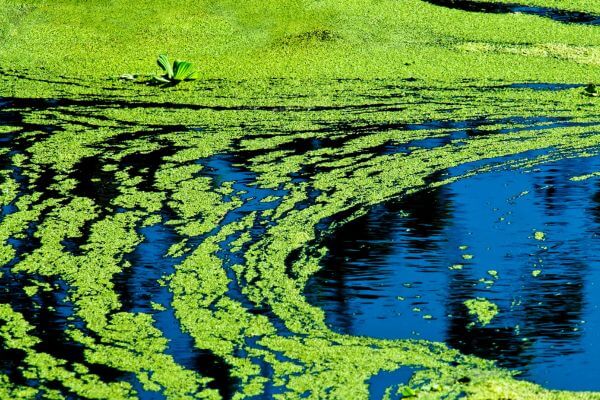
Lake Okeechobee and Algae in the West Palm Beach Water Supply
Lake Okeechobee plays a central role in South Florida’s water system. It’s the liquid heart of the state. It’s large, shallow, and highly connected to nearby rivers and canals.
Therefore, anything that happens in the lake can spread quickly.
Illinois Water Utilities have been reporting some gross contaminants!
Check out the concerning contamination that has been reported by public water utilities in Illinois!

When harmful algae blooms form in Lake Okeechobee, they don’t stay there. Instead, they move through the watershed. As a result, nearby communities like West Palm Beach can be affected.
Indeed, DOH-Palm Beach released a warning about blue-green algae in April of 2026.
In many cases, this lake acts as a starting point for water that moves through the region. So, harmful algae blooms in this area can become a wider drinking water concern.
How Lake Okeechobee Spreads Algae Blooms Through the Watershed
Lake Okeechobee connects to a large network of canals and rivers. These waterways carry water east, west, and south across Florida. Because of this system, water from the lake eventually reaches many communities.
When harmful algae blooms are active in the lake, pieces of the bloom can move with the water flow. At the same time, dissolved toxins may also travel downstream.
For example, water moving toward West Palm Beach passes through treatment systems and open canals. Dangerous algae in the lake can influence water quality far from the source.
In simple terms, the watershed works like a pipeline. So, if harmful algae blooms enter the system, they can spread step by step across the region.
Why Harmful Algae Blooms in Lake Okeechobee Matter for West Palm Beach Water
Because West Palm Beach depends on connected water sources, changes in Lake Okeechobee can matter a lot.
When harmful algae blooms grow in the lake, they can increase treatment challenges downstream.
In some cases, blooms release toxins that travel through water channels. Even when levels are reduced by treatment, water quality can still be affected.
As a result, utilities must monitor conditions closely during these events. This helps them respond quickly when harmful algae blooms appear upstream.
For West Palm Beach residents, this connection is crucial.
Why Water Testing Matters During Harmful Algae Blooms
Because risks can vary, testing your water is a smart step. Harmful algae blooms can change water quality fast. Water testing helps give clear answers.
For this reason, many homeowners choose to test their water during bloom season. This is especially true for homeowners near lakes and canals.
When to Test Your Florida Home’s Water
You may want to test your water if you notice:
- After heavy rain or hurricanes
- A strange taste or smell in your tap water
- Water that looks cloudy or slightly green
- Reports of harmful algae blooms in nearby lakes
- Dead fish or strong odors near local waterways
- Skin irritation after using tap water
Summer testing is smart, as this is when algae grows the most. Runoff from heavy rains can increase bloom activity.
Pay attention to local alerts. If officials report harmful algae blooms nearby, it is a good time to check your water.
In the end, testing helps you feel more confident about your water. It also helps you take action early if harmful algae blooms become a problem.
Protect Your Home from Harmful Algae Blooms with Water Testing in West Palm Beach
If you live near West Palm Beach, your water is part of a connected system. That means upstream issues can still affect your home.
For this reason, harmful algae blooms are not just a lake problem.
Instead, they can become a serious drinking water concern. While treatment systems do a strong job, no system is perfect. Testing adds an extra layer of protection.
Angel Water offers professional water testing services in the West Palm Beach area. With simple testing, you can learn what is in your water and if harmful algae blooms may be a concern.
In many cases, homeowners choose testing for peace of mind. Others test after hearing about toxic algae blooms nearby. Either way, the goal is the same: safe, clean water.
Truly, if you want clear answers about your water, testing is a smart next step. In the end, staying informed helps you make better choices for your health and your home.
The licensed plumbers of Angel Water are here to help. Contact us to schedule water testing at your home today!
Interested in a Water Softener System for Your Home?
You don’t have to live with a dry, itchy scalp and brittle hair anymore! It would be our pleasure to help you find the right water softener to make your showers enjoyable again.
Please give us a call at (847) 382-7800 or visit our water softener page to learn more.