What are the Best Iron Water Filtration Systems for Well Water?
Iron in well water is very common. It is also very frustrating. Especially in Northern Illinois. Because of this, many homeowners look for the best iron water filtration system for well water.
The right system protects your plumbing. It improves taste. It also reduces staining. Although iron is natural, it can still cause many problems. These affect your home and your daily life.
Here’s what we’ll cover:
- What iron is and how it enters well water
- Health effects of iron in water
- How iron damages pipes and appliances
- Why Northern Illinois well owners struggle most with iron
- The best options for iron water filtration system for your well water
- Why professional water testing matters before choosing a system
Choose the right system. Start by learning what’s in your water. Let’s go!
Iron in Well Water
Iron is rather common. It is found and soil and rocks. As water moves through the ground, it picks up iron.
There are a few common types of iron in water:
- Clear-water iron (ferrous iron, Fe²⁺): The water looks clear at first. Later it turns orange or brown when it hits air.
- Red-water iron (ferric iron, Fe³⁺): The water already looks rusty or cloudy. You can see the color right away.
- Iron bacteria: These are tiny living things that feed on iron. They can make slime in your pipes and fixtures.
So, even though iron is natural, it still causes many water problems in your home.
What Causes Iron in Well Water
Iron enters your well water in a few ways:
Soil and rocks with iron: Groundwater moves through these layers. So, the water picks up iron.
Old or rusty pipes: Metal pipes and well casings rust over time. Thus, iron flakes off into the water.
Low pH water: If water is acidic, it dissolves metal faster. Then, this adds more iron to your water.
Changes in the water table: Northern Illinois has heavy rains and storms. Floods or drought stir up iron and sediment.
As a result, well water conditions change often. After that, iron can become a big problem. If your home has a well, test the water regularly.
Health Effects of Iron in Water
For most healthy people, a small amount of iron in water is not dangerous. In fact, your body needs some iron. However, too much iron in water still causes problems.
For example:
- Metallic odors or bitterness
- Stomach upset
- You notice a metallic taste that makes water unpleasant
- Concerns for people with iron-related health issues
So, iron is usually seen as more of a nuisance than a poison. But it still needs to be controlled. Clean, good-tasting water matters for your health and comfort.
How Iron Damages Your Home: Why You Need an Iron Water Filtration System for Well Water
Iron is tough on your home’s plumbing and appliances.
It builds up over time. Even small amounts may create long-term damage.
Common Problems in the Home from Excess Iron in Water
Chiefly, here’s what Northern Illinois homeowners face:
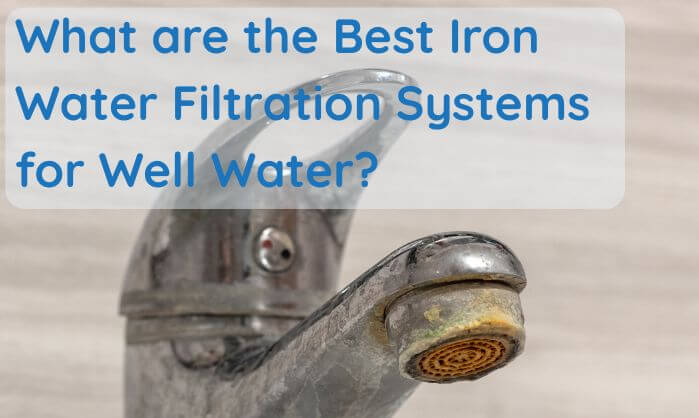
Orange stains on fixtures: Iron leaves bright orange or brown stains. Sinks, showers, and faucets get ruined. As a result, these surfaces look dirty. Even when they’re clean.
Rust marks in tubs and toilets: Rust forms quickly when iron reacts with air. Because of this, tubs and toilets show the first signs of trouble.
Discolored laundry: Clothes may come out yellow, gray, or streaked. And most soaps can’t remove set-in iron stains.
Clogged plumbing: Iron gathers inside pipes. Thus, water can’t flow freely. And clogs form more often.
Lower water pressure: When pipes narrow from buildup, pressure drops. Showers feel weak. Appliances don’t work as well.
Buildup inside water heaters: Iron settles at the bottom of water heaters. Over time, this makes the system work harder. It also raises your energy bills.
Damage to washers and dishwashers: Iron-rich water wears down seals and hoses. Therefore, appliances fail quicker.
Because wells are often hidden, homeowners often notice the damage too late.
Why Northern Illinois Well Owners Struggle with Iron
Iron in well water appears many places. Indeed, it’s a common event in the Chicagoland region.
Essentially, wells that pull water from local aquifers often have issues. They bring up water with higher iron levels. Well water should be regularly tested. Especially for homeowners in counties like McHenry, Lake, Kane, and DuPage.
Many homes in this area rely on older wells. Over time, low-oxygen conditions develop. This is how it happens:
- Decaying organic Matter: First, decomposing plants and bacteria use oxygen. This releases CO2. CO2 sinks and displaces oxygen.
- Nutrient pollution: Next, runoff from farms (fertilizers) or sewage feeds algae. Then, these die and decompose. This uses up oxygen.
- Temperature: Warm water holds less dissolved oxygen (DO). And summer heat makes this worse.
- Well construction: Finally, many wells have PVC pipes, rusty ladders, or sandy loam soil. And these can lower oxygen levels.
With less oxygen, iron stays dissolved longer. Plus, it builds up inside pipes and appliances. Therefore, homeowners face staining and rust problems. These are difficult to fix without a water filtration system.
The Best Iron Water Filtration System for Well Water Options
So, you need to treat iron in well water. Put simply, filtration is the most common and effective solution. Here are your main options:
Whole House Iron Water Filtration Systems for Well Water
A whole house system treats all water entering your home. Because of this, every faucet, appliance, and pipe is protected.
Most systems combine oxidation and filtration media. This removes iron and other minerals. As a result, water becomes cleaner and better tasting.
Illinois Water Utilities have been reporting some gross contaminants!
Check out the concerning contamination that has been reported by public water utilities in Illinois!

Some units backwash automatically. Therefore, maintenance is easier. Your system stays effective for years. And because the system treats every drop, it is the most popular choice for Northern Illinois well owners.
Chlorine Injection Systems or Ozone Filters for Iron
In fact, Angel Water’s PurAClear chlorine injection systems send chlorine into the water first. This is to kill bacteria and break up slime.
Then, the system removes the chlorine before the water goes into your pipes. As a result, your water is much more refreshing. Imagine water without swampy smells or slimy deposits.
Because iron bacteria create rust-colored slime and foul odors, adding chlorine helps kill those bacteria. This makes iron easier to filter out later.
However, you don’t want chlorine left in your drinking water. The injected chlorine is usually followed by a filter. This takes it out before the water reaches taps. Therefore, you get both disinfection and clean water.
Additionally, these systems reduce manganese and sulfur in water. As a result, water looks clearer, tastes better, and smells fresher.
Other Treatment Options for Iron in Well Water
Water Softeners for Low Iron Levels
Water softeners remove small amounts of clear-water iron. However, they cannot handle high iron levels alone.
Still, pairing a softener with a whole house filter improves water quality and appliance longevity. As a result, water becomes softer, cleaner, and easier on your plumbing.
Chemical Injection Systems for Tough Iron Problems
Some wells have very high iron or iron bacteria. In these cases, chemical injection with chlorine or hydrogen peroxide may be needed.
But professional guidance is essential. A water test determines the correct chemical and dosage. Then, the system can be installed safely. And water becomes clean, pipes are protected, and appliances last longer.
Why Filtration is the Most Common Solution
Filtration is the most widely used method for removing iron. First, it works for nearly all types of iron. Second, it is easy to maintain. Third, it protects the entire home, not just one faucet.
In addition, filtration is chemical-free in most cases. Therefore, it is safer for families and pets.
Many systems backwash automatically. So, they continue removing iron over time. As a result, homeowners spend less time dealing with stains, rust, and appliance damage.
Why Professional Water Testing Matters Before Choosing an Iron Water Filtration System for Well Water
Every well is different. Some contain ferrous iron, others ferric iron, organic iron, or iron bacteria. A professional water test tells you exactly what’s in your water.
Hence, you avoid buying a filter that won’t solve your problem.
Water testing also shows if additional treatments, like a softener or chemical injection, are needed. Because of this, you can select the best iron water filtration system for well water that truly fixes your specific issue.
Furthermore, testing protects pipes, appliances, and fixtures over the long term.
Maintenance Tips for Your Iron Water Filtration System for Well Water
Regular filter checks: Filters need regular maintenance. Check your system according to the manufacturer’s instructions. By doing this, your filter continues removing iron efficiently. It also prevents buildup.
Annual professional inspection: Even with regular maintenance, a yearly professional inspection is recommended. As a result, your system works at peak performance. This gives you clean water. Plus, fewer stains, rust, or appliance problems.
Test your water periodically: Especially after a significant event. Such as, after floods, droughts, wildfires, or any other natural disaster that could contaminate the water supply.
Testing your well water is the first step toward clean, safe water. After all, knowing your iron levels helps you select the most effective system.
Angel Water Can Help You Invest in the Right System for Your Home
A high-quality iron water filtration system for well water protects pipes, appliances, laundry, and fixtures.
Thus, it saves money on repairs and keeps water clear, fresh, and safe. Start with a professional water test. Then choose the best system. Finally, you can stop iron from causing stress and damage in your home.
For homeowners in Northern Illinois, partnering with the licensed plumbers of Angel Water is the answer. Enjoy healthy water you can trust — reach out to Angel Water today!
Interested in a Water Softener System for Your Home?
You don’t have to live with a dry, itchy scalp and brittle hair anymore! It would be our pleasure to help you find the right water softener to make your showers enjoyable again.
Please give us a call at (847) 382-7800 or visit our water softener page to learn more.