Water Conditioning Systems: Complete Guide to How They Work | Angel Water
Water Conditioning Systems: Everything You Need to Know
Do you notice your skin and hair getting dried out in the shower? Are there persistent water stains on your dishes? Do you have concerns about the quality of your drinking water? If any of these issues sound familiar, you could benefit from a water conditioning system.
In this guide, we cover everything you need to know about water conditioning systems — from how they tackle hard water and radium contamination, to how much they cost, to how to choose the right one for your home.
What Is a Water Conditioning System?
A water conditioning system is a whole-house water treatment device that removes or neutralizes problem minerals and contaminants from your water supply before it reaches your taps. The most common type uses a process called ion exchange to replace hard minerals like calcium and magnesium with sodium ions, resulting in “soft” water throughout your home.
Water treatment is a broad topic because every region’s water has different issues. In the United States, though, one problem affects nearly everyone: hard water. That’s why practically all Americans need a water conditioning system in their home.
Surprisingly, even though 85% of U.S. households have hard water, less than 30% have invested in water conditioning systems. This means there’s a good chance you’re missing out on a valuable solution for your water problems.
Similarly, nearly 90% of groundwater in the Midwest is contaminated with radium — yet only one in five Americans has a water conditioning system in their home.
Water Conditioning System vs. Water Softener: What’s the Difference?
The terms “water conditioning system” and “water softener” are often used interchangeably — and for good reason. Most water conditioning systems include water softening as their primary function. However, there are some distinctions worth knowing:
| Water Softener | Water Conditioning System | |
| Primary Function | Removes calcium & magnesium via ion exchange | Softens water AND can address radium, iron, and other contaminants |
| Salt Required? | Usually yes (salt-based) | Salt-based or salt-free options available |
| Removes Radium? | Sometimes (depends on model) | Yes — ion exchange removes up to 97% of radium |
| Best For | Homes with hard water only | Homes with hard water plus additional contaminant concerns |
For most homeowners in Illinois and Florida, a full water conditioning system is the better investment because it addresses both hard water and radium — two of the most common water issues in these regions. Browse our water conditioning systems →
What Is Hard Water and Why Does It Matter?
You may be thinking, “How can water be hard? It’s a liquid!” Water hardness doesn’t mean the water is literally hard — instead, it’s a measure of the water’s mineral content.
When water passes through soil and rocks, it picks up minerals like calcium and magnesium. An excess of these minerals is what we call “hard water.” The United States sits largely on ancient seabeds with high concentrations of limestone, so 85% of people in the U.S. have hard water in their homes.
Here in Northern Illinois, we’re in a region of extreme water hardness. Chicago’s water has a hardness of approximately 8 grains per gallon — well into the “hard” range. This is why water conditioning systems are essential here and throughout the Midwest. Not sure how hard your water is? Get a Complimentary Water Test from Angel Water.
What Are the Effects of Hard Water?
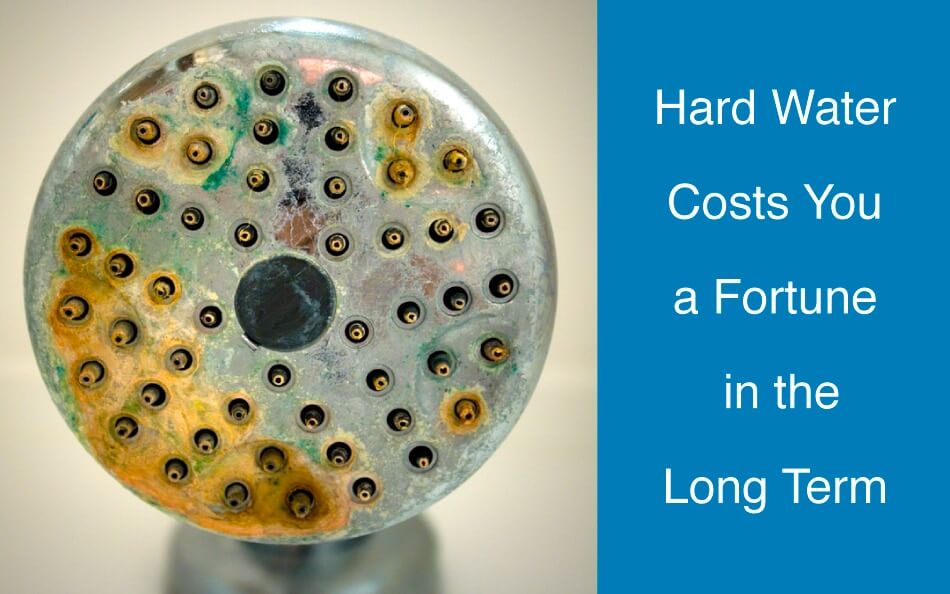
Whenever you use hard water, the excess minerals are left behind as residue, clinging to whatever surface they touched. Here are the main ways hard water impacts your daily life:
Hard Water Harms Your Skin, Scalp, and Hair
The calcium and magnesium in hard water have a positive charge, while your skin, scalp, and hair have negative charges. As a result, the minerals cling to you after the water flows away. Researchers have linked excessive hard water exposure to eczema development in children — a chronic skin condition affecting 31.6 million Americans. Other effects include:
- Dry, frizzy hair after showering
- Dry, itchy skin after bathing
- Flaky scalp — calcium particles, not just dead skin, may be coming loose
→ Read our full breakdown of hard water and skin problems.
Hard Water Makes Cleaning More Difficult
- Hard water neutralizes soaps, creating soap scum stains in sinks and bathtubs
- A cloudy film is left on dishes after washing
- Clothes may come out of the laundry faded and discolored
- Mineral deposits can clog water-using appliances like coffee machines and dishwashers
Hard Water Costs You Money Over Time
- Hard water scaling reduces water heater efficiency by up to 48% — costing hundreds of dollars per year in energy. See the full breakdown of how much hard water costs you.
- Dishwashers require more soap, and hard water shortens appliance lifespans
- Clogged fixtures require costly service visits to repair
- You use more shampoo, body wash, dish soap, and detergent — hundreds of dollars a year going down the drain
How Do Water Conditioning Systems Help with Hard Water?
Water conditioning systems remove the excess minerals that create hard water. A water conditioning system typically uses ion exchange — resin beads swap hard calcium and magnesium ions for sodium ions, leaving you with soft water throughout your home.
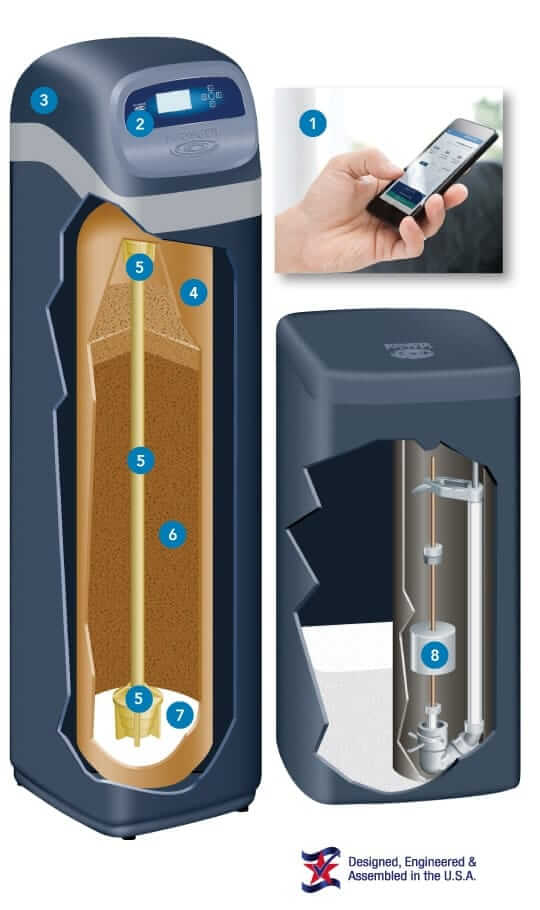
Benefits of installing a water conditioning system:
- Healthier, softer skin and hair
- Use less soap, shampoo, and cleaning products
- No more soap scum stains on sinks, tubs, and toilets
- No spots or films on dishes or glassware
- Appliances like water heaters, coffee pots, and dishwashers last longer and run more efficiently
- Lower energy bills due to improved water heater efficiency
- Clothes keep their color and texture longer
🔵 Wondering if your water is hard? Get a Complimentary Water Test from Angel Water and find out what’s really in your tap water.
What Is Radium and Why Is It in My Water?
In addition to hard water, radium is another common water issue that water conditioning systems can resolve. Radium is a naturally occurring radioactive element found in the Earth’s crust — and it’s prevalent in Midwest groundwater.
Here in the Midwest, radium is found in 90% of water drawn from private wells. Cities like Barrington, Bartlett, Elgin, and Lake Zurich source their water from the ground, so their drinking water also contains elevated radium levels. Learn about water quality in your Illinois city.
What Are the Health Effects of Radium Exposure?
Radium stores in your bones when ingested, with danger accumulating over many years. According to the Water Quality Association (WQA), radium in drinking water is associated with cancer, kidney damage, and birth defects. The decay of radium into radon also contributes to lung cancer risk — the second leading cause after cigarette smoking, per the National Academy of Sciences.
How Do Water Conditioning Systems Remove Radium?
According to the EPA, the ion exchange process used by most water conditioning systems is highly effective at removing radium. The Illinois Department of Public Health reports that ion exchange can remove up to 97% of radium from drinking water — dramatically reducing long-term health risk.
→ Read our full report: How a water softener protects you from radium.
How Much Does a Water Conditioning System Cost?
Water conditioning system costs vary depending on the size of your home, your water quality, and the model you choose. Here’s a general breakdown:
| Cost Category | Typical Range | Notes |
| Unit + Installation | $800 – $3,000+ | Varies by model, home size, and complexity of installation |
| Annual Salt Cost | $50 – $150/year | Depends on water hardness and household usage |
| Annual Service Visit | $100 – $200/year | Recommended annually to keep your system running efficiently |
| Annual Savings | $400 – $800+/year | From reduced soap, energy, and appliance repair/replacement costs |
For most households with hard water, a water conditioning system pays for itself within a few years through energy savings, reduced cleaning product costs, and extended appliance lifespans. Contact Angel Water for a personalized quote.
How Do I Choose the Right Water Conditioning System?
With so many manufacturers and competing claims on the market, the key is to look for NSF certification. NSF International is a widely respected independent organization that tests, inspects, and certifies sanitation products. When a water conditioning system is NSF-certified, it has been proven to work as claimed — and built to last.
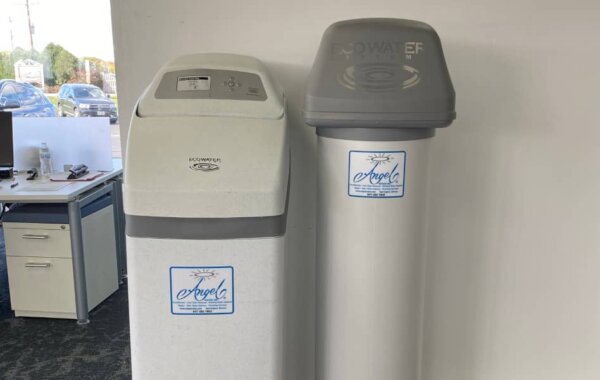
Angel Water installs, maintains, and repairs NSF-certified water conditioning systems from EcoWater, including the ECR-3702, ESD-2502, and EEC-1502. View our full range of water conditioning systems.
→ Why NSF-certified water softeners are worth the investment.
How Do I Maintain My Water Conditioning System?
Like all water treatment equipment, water conditioning systems require regular maintenance to keep them running efficiently. You should schedule a professional service visit at least once a year.
About 53% of insurance claims result from appliance-related water damage to homes. Don’t put off maintenance until your system fails — the cost of a service visit is far lower than emergency repairs or water damage.
Smaller tasks — like adding salt and adjusting timer settings — can be completed independently. Visit the Angel Water YouTube channel for how-to tutorials.
Frequently Asked Questions About Water Conditioning Systems
Do I really need a water conditioning system?
If you live in the United States, there’s an 85% chance you have hard water. If you’re in the Midwest, your groundwater likely also contains elevated radium. Most households benefit significantly from a water conditioning system — even if they don’t notice obvious signs. Not sure? Get a Complimentary Water Test to find out what’s in your water.
How long does a water conditioning system last?
A high-quality, NSF-certified water conditioning system typically lasts 10–15 years or more with proper annual maintenance. Cheaper, uncertified systems may last far less and deliver inconsistent performance.
Is soft water safe to drink?
Yes, soft water produced by a water conditioning system is safe to drink for most people. The sodium content added through ion exchange is minimal. If you have specific sodium-restriction concerns, consult your doctor or ask Angel Water about salt-free alternatives. See WHO drinking water guidelines for more detail.
Can a water conditioning system remove radium?
Yes. According to the Illinois Department of Public Health, ion exchange water conditioning systems can remove up to 97% of radium from drinking water — one of the most effective solutions for this common Midwest water problem.
How often does a water conditioning system need salt?
This depends on your water hardness and household usage, but most households refill the brine tank every 4–6 weeks. Your system may have a display that alerts you when salt is low. Have questions? Contact our team.
Schedule a Service Visit for Your Water Conditioning System Today
If you suspect you have hard water or radium in your water supply, or if you’re ready to explore water conditioning systems for your home, call Angel Water. We’ve been installing and servicing water conditioning systems in Barrington, IL, West Palm Beach, FL, and surrounding areas for decades. Our qualified water professionals are happy to help you find the right solution for your home.
Want Softer Water? Schedule an Appointment Now!
Find out how a water softener can help protect your home from hard water damage. Schedule an appointment with our water specialists today to explore the best solutions for your home.