How Much Does a Water Softener Cost? 2026 Pricing Guide | Angel Water”
In this blog, you’ll learn:
• “Professional” companies sell the best water softeners at anywhere from $4,000 to $7,000.
• “Sticker” companies sell the most common water softeners at anywhere from $1,500 to $5,000.
• “Big Box” companies sell the cheapest, least effective water softeners at around $800.
• Cheap water softeners almost always cost more in the long run because they likely won’t work and will require a better replacement.
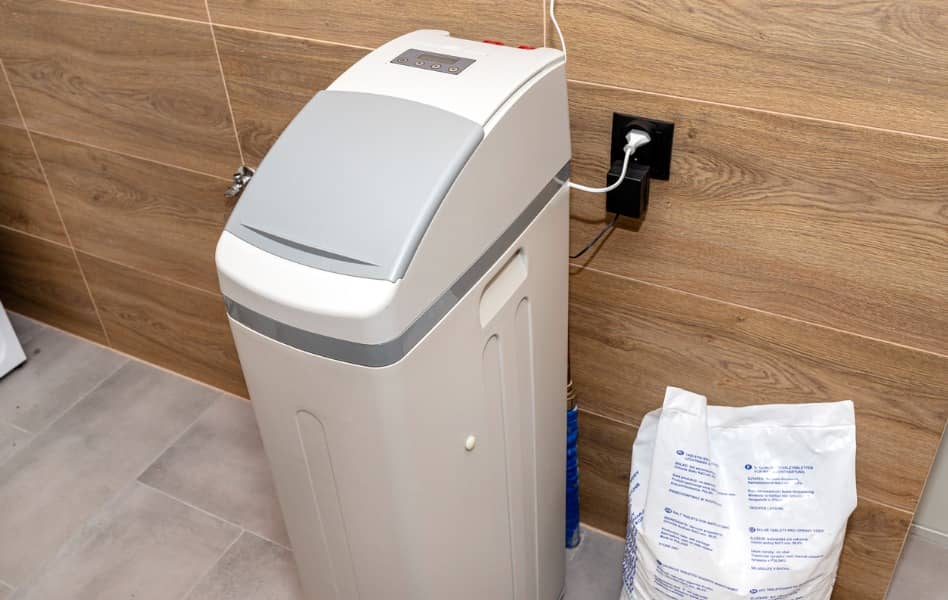
How Much Does a Water Softener Cost? (2026 Pricing Guide)
A water softener typically costs between $800 and $7,000, depending on the type and quality of the system. Installation adds approximately $900 to $1,500 on top of that. Beyond the upfront price, you’ll also have ongoing costs — mainly salt and annual servicing — that typically run $10–$25 per month. And for homeowners in areas with hard water, the cost of doing nothing adds up too — hard water strains appliances, wastes soap, and in some regions introduces health concerns like radium in drinking water. Here’s a complete breakdown of what drives the price and how to make sure you’re spending your money wisely.
Water Softener Cost at a Glance
| Type | Price Range (Unit + Install) | Best For |
| Big Box (Home Depot / Lowe’s) | ~$1,700–$2,300 | Tight budgets needing a short-term fix. Not recommended for long-term use — most last 2–3 years and lack NSF-44 certification. |
| Sticker Companies (Pelican, Aquasana, Fleck) | $2,400–$6,500 | Budget-conscious buyers who want more than a big box unit. Quality varies widely — verify NSF-44 certification and check dealer credentials before buying. |
| Professional Grade (EcoWater, Culligan, Kinetico) | $4,000–$7,000 (installation typically bundled) | Homeowners who want a lasting solution. NSF-44 certified, made in the USA, 10+ year warranties, and lower long-term maintenance costs. |
Keep reading for a full explanation of each category, what you get for the money, and what to watch out for.
What’s the Average Price Range of Water Softeners?
There are many different types of water softeners, and the primary difference across all of them is that less effective options tend to be cheaper while more effective options tend to be more expensive. To make sense of the market, it helps to understand the three main categories of water softener companies.
Four major brands actually manufacture water softeners from the ground up: Culligan, Kinetico, Rainsoft, and EcoWater. We call these “professional” companies. Most other companies simply purchase three primary parts and assemble them in a warehouse — we call these “sticker” companies. A third option is buying from a “big box” retailer like Home Depot or Lowe’s. Browse Angel Water’s water softener options to see professional-grade systems available for Illinois and Florida homeowners.
Professional Companies ($4,000–$7,000)
Water softeners from professional companies — such as EcoWater, Culligan, Kinetico, and Rainsoft — range from $4,000 to $7,000. These systems are manufactured in-house from start to finish, made in America, and built to last. See our guide to the best water softeners for a detailed breakdown of top brands.
Here’s what you get at this price point:
- NSF/ANSI 44 certification: This means an independent organization has tested the system and verified it removes hard water minerals effectively. Not all water softeners carry this certification — learn more about NSF/ANSI 44 at NSF.org.
- Made in the USA: American-made parts are held to higher standards and are less prone to failure than those manufactured overseas.
- Comprehensive warranties: Most professional water softeners carry at least a 10-year total warranty — often structured as a 5+5 arrangement where both the manufacturer and the vendor each cover five years.
- Easy serviceability: Pro-grade systems are designed so that licensed plumbers can service them efficiently, reducing long-term service costs.
Sticker Companies ($1,500–$5,000)
Sticker companies — such as Pelican, Aquasana, Fleck, and Autotrol — sell water softeners in the $1,500 to $5,000 range. These companies don’t manufacture their own parts; instead, they purchase components and assemble them, often in a warehouse. Any company that sells exclusively online falls into this category.
There’s a significant tradeoff for the lower price:
- Many parts are manufactured overseas, making them more likely to wear out prematurely.
- The majority of sticker water softeners do not carry NSF/ANSI 44 certification.
- Many sticker companies don’t hold plumbing licenses, bonds, or insurance — meaning if something goes wrong, your recourse is limited.
- The warranty is typically only as good as the dealer’s reputation, not a manufacturer’s backing.
Big Box Companies (~$800)
Big box water softeners — sold at Home Depot, Lowe’s, and similar retailers under brands like WaterBoss or Kenmore — cost around $800, but that price does not include installation. Professional installation from a licensed plumber can add $900 to $1,500 on top of that.
What you get at this price point has serious limitations:
- Big box water softeners typically do not carry NSF/ANSI 44 certification.
- Electronics usually come with only a one-year warranty, while the tank warranty is around a decade — but the system is rarely built to last that long.
- These systems are built to hit a low price point, not to perform. Most last only two to three years before requiring replacement.
- In the long run, the total cost of ownership — including a likely replacement within a few years — often exceeds what you would have spent on a professional-grade system.

What’s a Fair Price for a Water Softener?
In general, the fairest prices are the ones outlined above: $4,000–$7,000 for professional systems, $1,500–$5,000 for sticker systems, and around $800 for big box options — before installation. If a vendor is quoting you $2,000 for what they claim is a “professional” system, that’s a red flag.
When evaluating any price, keep these benchmarks in mind:
- NSF/ANSI 44 certification is non-negotiable if you want a guaranteed result. A water softener without it hasn’t been independently verified.
- American-made parts signal higher manufacturing standards and greater accountability if something goes wrong.
- A comprehensive warranty — covering the entire system, not just one or two components — is a sign of a manufacturer that stands behind their product.
How to Avoid Getting Ripped Off
Not all vendors are scammers, but it’s worth doing your research before purchase. A few practical steps:
- Look at customer reviews and check for a physical brick-and-mortar location.
- Be skeptical of unusually large discounts or “sale” pricing that seems too good to be true.
- Understand the difference between salt-based and salt-free systems. Salt-based water softeners use an ion exchange process that genuinely removes hardness minerals from your water. Salt-free systems don’t actually soften water — they condition it to reduce scale buildup on pipes, but your water remains hard. The Water Quality Association confirms that only ion exchange genuinely softens water. White film on dishes, dry skin, and laundry problems will persist with a salt-free system.
How Much Does It Cost to Install a Water Softener?
Installation, initial programming, and testing cost approximately $1,000 when handled by a licensed plumber. Several factors can push that number higher or lower:
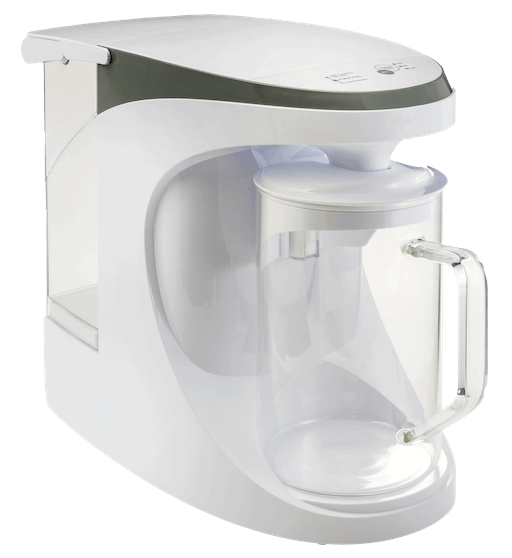
Stop Wasting Money!
Are you spending money every month on Bottled Water for your home or office? That adds up quickly and with inflation, it’s only going to cost more tomorrow.
With the NEW purAsure Counter top Reverse Osmosis System you never have to pay for another case of plastic bottles! Get yours before the price goes up and Enjoy cleaner, healthier water on demand!
- Complexity of your plumbing: Homes with older or more complex plumbing configurations typically require more labor time.
- Location of installation: Where the softener will be placed in your home (basement, utility room, garage) affects the difficulty of connecting it to the main water line.
- Big box systems require separate installation: The ~$800 sticker price at a retailer does not include installation. Adding professional installation brings the real total to $1,700–$2,300 — before accounting for the system’s shorter lifespan.
Allowing a licensed professional to install your water softener is strongly recommended. Improper installation can void your warranty and introduces risk to your home’s water supply.
What Are the Ongoing Costs of a Water Softener?
The purchase price is only part of the story. Here’s what to budget for after installation:
| Ongoing Cost | Estimated Amount | Notes |
| Salt (salt-based systems) | ~$10–$25/month | Varies with water hardness and household size |
| Annual professional service | ~$150–$200/year | Recommended to maintain warranty on pro-grade units |
| Electricity | Minimal (Energy Star models) | Choose an Energy Star–rated unit to minimize impact on your bill |
To understand the full financial picture, it helps to compare these ongoing costs against the annual cost of living with hard water — which includes reduced appliance efficiency, more soap and detergent usage, and potential plumbing repairs. In many households, hard water costs more per year than a water softener’s operating expenses.
Salt-based softeners require the most ongoing attention, but modern smart systems can monitor your salt levels and alert you when it’s time to refill. Learn more about water softener maintenance and service at Angel Water.
When Should I Replace a Water Softener?
Most professional-grade water softeners last for 10 or more years with proper maintenance. Big box systems typically need replacement within two to three years. Watch for these signs that your water softener is no longer doing its job:
- A significant drop in water pressure throughout your home
- Reappearance of white stains on dishes and fixtures
- Dry, itchy skin after bathing
- Brittle hair
- Faded clothing from the washing machine
- Dishwasher or water heater showing signs of scale buildup
If these symptoms have returned, schedule a water test with a water treatment professional to confirm whether your softener has stopped working effectively.
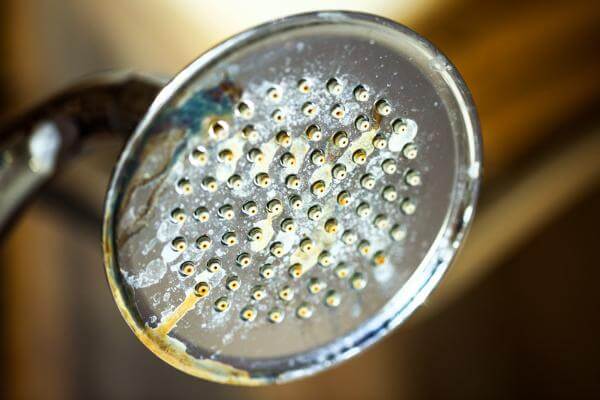
Get the Right Water Softener for Your Budget
A water softener is a long-term investment in your home and your family’s health. Getting the right one — at the right price — starts with knowing what’s actually in your water. Angel Water offers free in-home water testing and works with homeowners in the Chicago and West Palm Beach areas to find the most effective solution for their specific water conditions and budget.
Ready to take the next step? Book an appointment with Angel Water today to get a personalized recommendation and pricing for your home.
Frequently Asked Questions About Water Softener Costs
How much does a water softener cost per month?
The main ongoing monthly cost is salt for salt-based systems, which typically runs $10–$25 per month depending on your water hardness and household water usage. Annual professional servicing adds roughly $12–$17 per month when averaged out. Electricity consumption is minimal, especially with Energy Star–rated units.
Is a cheap water softener worth it?
In most cases, no. Big box and sticker water softeners are priced lower upfront but lack NSF/ANSI 44 certification, carry shorter warranties, and typically need replacement within a few years. When you factor in replacement costs and the continued expense of hard water damage to appliances and plumbing, a professional-grade water softener is almost always more cost-effective over a 10-year period.
Does the price include installation?
For professional-grade water softeners purchased through an authorized dealer like Angel Water, installation is typically handled as part of the process. For big box systems purchased at retail, installation is separate and will cost an additional $900–$1,500 for professional service by a licensed plumber.
How long do water softeners last?
Professional-grade water softeners (EcoWater, Culligan, etc.) typically last 10 or more years with annual maintenance. Big box systems generally last two to three years. Keeping your system under a regular service plan is the best way to maximize its lifespan and maintain warranty coverage.
Do I need a water test before buying a water softener?
Yes — a water test is strongly recommended before purchasing. The hardness level of your water (measured in grains per gallon) and your household’s daily water usage determine what size and capacity system you need. Buying without a test can result in an undersized or oversized unit. Request a free water test from Angel Water to get started.
Want Softer Water? Schedule an Appointment Now!
Find out how a water softener can help protect your home from hard water damage. Schedule an appointment with our water specialists today to explore the best solutions for your home.