How Do You Test Water for Lead?
How do you test water for lead? Many people ask this. It’s a smart question. You can’t see lead. You can’t smell it. You can’t taste it. Still, it may be in your water right now.
As a result, many people never realize their water has a problem.
Clean water matters. It’s what keeps your family safe and healthy. But lead can sneak into your home water supply at any time. You’ll never know unless you test it.
In this guide, you’ll learn:
- The effects of lead in your water
- How lead enters household water
- Why testing water for lead is crucial
- How do you test water for lead at home and in labs
- Where to find public lead testing data
- Why hiring a local professional is the safest option
Let’s dive in!
Why Lead in Drinking Water Is Dangerous
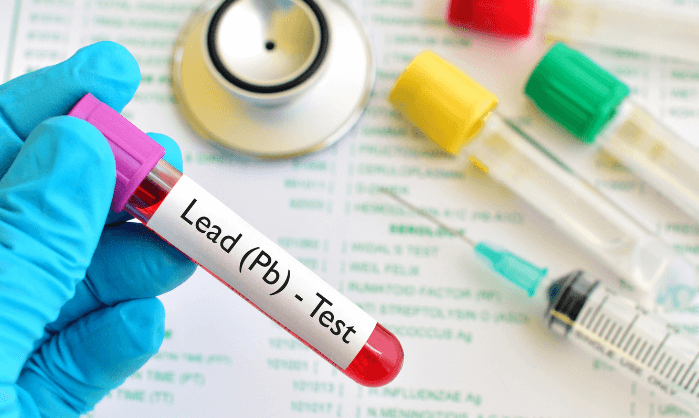
Lead is a toxic metal. Even so, tiny amounts can hurt your body.
Children face the highest risk. Still, no one is truly safe. Lead affects adults too. It can harm babies before they’re even born. That’s scary but true.
Therefore, all lead exposure should be taken seriously.
Health Effects of Lead Exposure
Lead harms the body over time. For example, children may develop learning difficulties. Adults may experience high blood pressure.
Moreover, other effects include:
- Lower IQ
- Fatigue and headaches
- Nervous system problems
- Kidney damage
- Pregnancy complications
No level of lead is safe. The longer exposure lasts, the worse it gets. That’s why testing your water is so important. You must know what’s really in it.
Why Testing Your Water for Lead Matters
Many homeowners think their tap water is fine. It looks clear. Also, it tastes okay.
But that doesn’t mean it’s safe.
Lead is sneaky. It can enter your household water after it leaves the city’s treatment plant. Even if your city tests clean, your own pipes may still add lead.
Lead often comes from plumbing materials. Even if your city meets safety standards, you can still be getting bad water.
Regular testing helps you in many ways:
- Spot hidden problems early
- Protect your children
- Keep elderly family members safe
- Choose the right water filter
- Know when to fix or replace pipes
- Enjoy peace of mind
Without testing, you might live with lead for years. That’s the danger. You’ll never know until you test.
How Does Lead Get Into Home Water?
Lead often seeps into water through plumbing. It’s not usually in the water source itself.
It’s what happens between the source and your tap.
Common Sources of Lead in Water
Lead may come from:
- Old lead service lines
- Lead-based solder installed before 1986
- Brass fixtures containing lead
- Corroded old pipes
Even newer homes can have lead parts. Some “lead-free” brass fixtures can still have trace amounts.
Water chemistry also matters. Acidic or soft water can corrode pipes faster. When that happens, lead can break loose and mix into your drinking water.
Knowing these risks is the first step. The second is learning how to test water for lead in your home. Even so, newer homes are not always risk-free. Some fixtures still contain lead.
Because of this, all homeowners should understand how do you test water for lead.
Signs You Might Have Lead in Your Water
Lead has no taste, color, or smell. You can’t see it. But some hints exist.
You may have lead if:
- Your home was built before 1986
- You have old galvanized or brass pipes
- Water leaves blue-green stains on sinks
- Plumbing repairs were recently done
- Water sometimes looks rusty or cloudy
- Family members feel sick often
These are big red flags. If you notice any, it’s time to test your water for lead right away.
How Do You Test Water for Lead at Home?
Homeowners often start with at-home lead test kits. These kits are cheap and simple. You can find them in hardware stores or online.
How they work:
You collect a water sample, dip a test strip, and wait for a color change. The color shows whether lead is present.
Advantages of home test kits:
- Fast results
- Low cost
- Easy to use
- Great for first-time checks
However, home kits aren’t perfect. Limitations include:
- Not very accurate
- Easy to use wrong
- Only detect higher lead levels
- May show false negatives
So, while they can tell you if you might have a problem, they can’t confirm your water is truly safe.
Use home kits as a quick screen, then follow up with professional testing for real answers.
How Labs Test for Lead in Water
Professional lab testing gives exact results. Labs approved by the EPA can detect even small traces of lead. In fact, down to parts per billion (ppb).
The process is simple but precise.
Step 1: A sample is collected using special bottles that don’t contaminate the water.
Step 2: The sample is sent to an EPA-certified laboratory.
Step 3: Scientists test for lead under strict standards.
Step 4: You get a full report showing exact levels.
Illinois Water Utilities have been reporting some gross contaminants!
Check out the concerning contamination that has been reported by public water utilities in Illinois!

Benefits of lab testing:
- Highest accuracy
- Reliable and official results
- Follows EPA standards
- Works for homes, schools, and businesses
- Results you can trust
If you want a clear answer to “How do you test water for lead?” — the lab test is the gold standard.
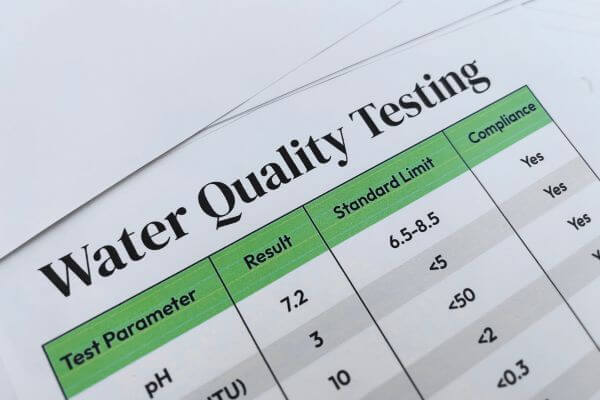
Where to Find Public Lead Testing Data
Even if you haven’t tested yet, you can review public data. For example, water utilities must publish annual water quality reports. They’re called Consumer Confidence Reports (CCRs).
To emphasize, these reports show:
- Past lead levels in your area
- System-wide test results
- Contact info for the local water provider
You can also search for:
- City or county health department websites
- The EPA’s online lead database
- State environmental agency portals
However, these reports only show system data. That means they test city water before it enters homes. Notably, your home’s plumbing may still add more lead later.
So public reports are useful, but they don’t replace your own home test.
How Do You Test Well Water for Lead?
If you have a private well, lead testing is even more important. City water is regulated. Well water is not.
For well owners, lead can enter well water from:
- Old pipes or rocks in the ground
- Plumbing fixtures inside the home
- Lead solder in well pumps or fittings
Because well water conditions can often change. Experts suggest testing wells at least once a year. Test more often if you notice taste or color changes.
Labs or Angel Water’s licensed plumbers can take samples from your well system. Then, they send them to an EPA-certified lab.
Thus, this step keeps your family safe and ensures clean drinking water year-round.
DIY vs. Professional Testing — Which Is Better?
DIY testing is okay for quick checks. But professional well testing is far more reliable.
Here’s why.
DIY kits:
- Inexpensive
- Simple instructions
- No official results
- Can be wrong if used improperly
Professional testing:
- EPA-approved process
- Proper sample collection
- Detailed lab report
- Professional interpretation
- Clear advice on what to do next
So yes, at-home tests can help you start. But, professional testing gives you the facts.
When you want peace of mind, trust trained experts.
Why Hire Angel Water for Lead Testing?
If you’re in the Chicagoland area, Angel Water is your best option for testing water for lead.
Here’s why:
First, we’re local experts who understand your water system. Next, we use only EPA-compliant testing methods.
Then, we’ll do a certified sample collection. Next, you’ll get fast, accurate results. Finally, enjoy friendly, clear explanations from licensed plumbers.
Angel Water technicians don’t just test — we solve problems. If your home has lead, we help you remove it.
The Angel Water process:
- Collect samples from multiple taps
- Follow all EPA testing standards
- Analyze results carefully
- Explain findings in simple words
- Recommend permanent solutions
Our team can also install filtration systems that remove lead fast. As well as keep your family safe long-term.
What Happens If Lead Is Found?
If testing shows lead in your water, don’t panic — but act fast.
Next steps may include:
- Installing a certified water filter (NSF/ANSI 53 or 58)
- Replacing old lead pipes or fixtures
- Flushing taps before use
- Using only cold water for drinking and cooking
- Choosing bottled water until fixes are made
We’re here to guide you through each step. Our experts understand how to remove and prevent lead problems for good.
How often do you test water for lead? Test your water at least once a year! However, test more often if:
- You live in an older home
- Plumbing work was recently done
- Water looks or tastes odd
- You have children or pregnant women at home
Routine testing keeps small issues from becoming big ones.
Remember: your water can change over time. Regular testing helps you catch problems early.
Protect Your Family — Test with Confidence
How do you test water for lead safely? You start with knowledge.
Home kits are fine for quick checks. But for peace of mind, trust the professionals of Angel Water. We follow proven methods, use certified labs, and give you clear answers.
Lead exposure is serious, but it’s also preventable. You can take charge today.
Schedule your professional water test with Angel Water now. It’s an easy step toward a cleaner, safer home!
Interested in a Water Softener System for Your Home?
You don’t have to live with a dry, itchy scalp and brittle hair anymore! It would be our pleasure to help you find the right water softener to make your showers enjoyable again.
Please give us a call at (847) 382-7800 or visit our water softener page to learn more.