Nitrates in Water Could Be Causing Health Issues for Your Family
Nitrates in water can be a real threat to your family. Yet the problem is often missed.
Fortunately, the licensed plumbers at Angel Water are here to help! This guide will help you understand more about nitrates.
Let’s look closer at:
- What nitrates are
- Where nitrates in water come from
- The health problems caused by nitrates in water
- Nitrates in city water and well water
- Nitrate treatment options
- Why get your wter tested by the experts of Angel Water
What Are Nitrates?
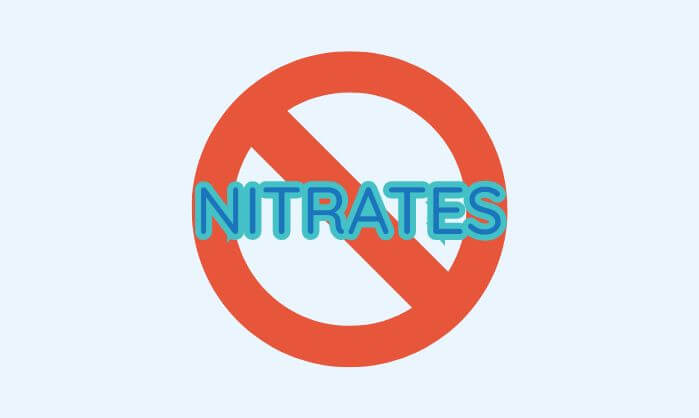
Nitrates are chemical compounds. They contain nitrogen and oxygen. They exist naturally in the environment. And they are a part of the nitrogen cycle. This cycle supports plant growth.
However, there are too many nitrates in water. Of course, this is often caused by human activities.
Common Sources of Nitrate in Water
- Farm runoff: Farmers use fertilizers. Then, rain washes extra fertilizer into rivers, lakes, and the ground. So, it’s a big source of nitrates in water.
- Animal waste: Animal manure is rich in nitrogen. This nitrogen seeps into the ground. Next, it pollutes water sources.
- Septic systems: Too, septic systems that don’t work well can leak. These leaks release nitrates into drinking water.
- Factory waste: Some factories produce nitrates as waste. If not managed properly, this can be dangerous.
- Water treatment plants: Treatment plants should remove pollution. But they don’t always remove all nitrates in water. This is common during heavy storms. Or, when equipment is old.
These sources can pollute the water supply. Surface water includes rivers and lakes.
Groundwater includes aquifers that supply well water. Both city and well can contain high nitrates in water.
Health Problems from Nitrate in Water Exposure
Too much nitrate in water can harm the body. When you drink water with nitrates, your body may convert them into nitrites.
Specifically, nitrites can reduce the blood’s ability to carry oxygen. The CDC states this is dangerous for babies. Plus, pregnant people and those with certain health issues.
To be sure, parents should watch for:
- Methemoglobinemia (Blue baby syndrome): Nitrites react with hemoglobin in the blood. So, this creates methemoglobin. Methemoglobin cannot carry oxygen well. Thus, this leads to blue skin. As well as breathing problems and tiredness. In severe cases due to nitrates in water, it can be deadly.
- Risks during pregnancy: Nitrates in water during pregnancy might cause issues. These include a higher chance of miscarriage. In addition, early delivery and spinal cord problems for the baby. More research is needed. But it’s best to avoid exposure.
- Possible cancer risk: Further, long-term exposure to high levels of nitrates in water may cause cancer. Particularly, colon cancer and non-Hodgkin lymphoma.
- Other health problems: High nitrate intake could cause thyroid problems. Therefore, it’s important to avoid nitrates in water.
Blue baby syndrome is rare. However, it is serious. Especially when formula is made with high-nitrate water. Because of this, infant households should always test their water.
City Water vs. Well Water
The risk of high nitrate in water depends on your water source. Do you get your water from a city or a private well?
Nitrates in City Water
In the Chicago and West Palm Beach communities, water is regulated. Hence, this means it is tested and treated.
Even so, households can still see nitrate issues. The nitrate level at the plant may not match the nitrate level at your tap.
For example:
- A water main break can change water quality
- Seasonal agriculture may increase run-off
- Infrastructure problems may lower treatment efficiency
Because of this, many families choose to test their water independently. Testing gives a clear view of the water in your own home.
Also, heavy rain can bog down treatment plants. When that happens, nitrite can be a concern. In fact, it’s formed when nitrates break down. The presence of nitrite is linked to nitrates in water.

Nitrates in Well Water
Well water is more vulnerable. Additionally, it is not monitored by the government.
This means homeowners must test their water at least once a year. Really, you should test more often if you have a baby.
Wells also face seasonal risks. After spring run-off, nitrate levels may rise quickly. Then, summer rain pushes fertilizer deeper into the soil.
Chiefly, nitrate spikes often occur during spring and summer. Be sure to test for nitrate in water if:
- You live near farms
- Your well is not deep
- You have an old septic system
- There are farm animals nearby
- Your area recently flooded
Nitrate in Water Treatment Options
Did your water test show high nitrates in water? Don’t worry. Yes, there are ways to treat it.
- Reverse Osmosis (RO)
Reverse osmosis is one of the most popular methods. It forces water through a special membrane. Then, it blocks nitrate, nitrite, and other bad things. As a result, you get clean, filtered water for drinking and cooking.
RO systems:
- Install under the sink
- Use minimal electricity
- Remove many contaminants
- Last for years with proper maintenance
Additionally, RO is great for city water and well water.
- Ion Exchange
Ion exchange systems swap nitrate ions with chloride ions. This method treats larger volumes of water.
Therefore, many homeowners choose ion exchange. Especially when they want whole-house treatment.
Ion exchange:
Is Your Water Clean? Get a Free Water Test Today!
Unsure if your water needs filtration? Get a free water test to check your water quality and see if a filtration system can help provide clean, safe water for your home.

- Works fast
- Handles high water usage
- Reduces nitrate levels dramatically
However, it requires regular maintenance. Also, the resin must be replaced regularly.
- Distillation
Distillers heat water to create steam. Then, the steam cools and becomes water again. Because nitrates do not evaporate, they stay behind.
Distillation works well. Even so, it’s slower than RO. It also uses more electricity.
What Does Not Work
The following methods do not remove nitrates:
- Carbon filters
- Standard refrigerator filters
- Boiling
- Water softeners
Therefore, you need filtration designed for nitrate removal.
Choosing the Right Treatment Option
All in all, water treatment is unique. Your home’s plumbing matters. As does usage level and water quality. Then, you should always begin with a professional water test.
The licensed plumbers at Angel Water can explain:
- Your nitrate level
- Whether nitrite is present
- If other contaminants are in the water
- Which system is best for your home
Additionally, our specialists can help with installation and maintenance.
How to Reduce Nitrate in Water
Treating water is important. But preventing pollution is even better.
Here are some things you can do:
- Septic system care: Essentially, take care of your septic system. And inspect it regularly. This prevents leaks that can cause nitrates in water.
- Use less fertilizer: If you garden, then follow the directions. Don’t use too much. Use slow-release fertilizers. Consider organic options to prevent nitrates in water.
- Support good farming: Next, support farming methods that reduce nitrate runoff. These include no-till farming and cover cropping.
- Protect your well: Smartly, protect your well from pollution. And, make sure it is sealed well. Keep pollution sources away.
Why Water Testing Is Important
First, testing your water is the most crucial step. Particularly, make sure it’s safe from nitrates in water and other chemicals.
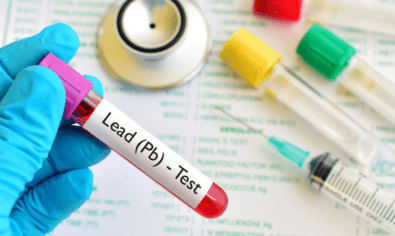
Regular testing can detect high nitrate in water, bacteria, lead, and pesticides.
Here are some water testing options:
Certified laboratories: The best way to test your water is to send a sample to a lab. These labs use good equipment. They follow strict rules when testing.
Home testing kits: Yes, you can buy home testing kits at stores and online. They are cheaper than lab tests. But they are less accurate for detecting nitrates in water. So, use them to identify potential problems.
Professional testing: Angel Water offers professional water testing. A technician collects a sample. Then, they send it to a lab to test for nitrates in water. And much more.
Keep Your Family Safe from Nitrates in Water
Testing is the only way to know if your water contains nitrates.
The CDC recommends annual testing for all private wells. You should also test after flooding, heavy rain, or any major plumbing changes.
Additionally, you should test whenever:
- A new baby will be in the home
- You move into a new house
- You notice changes in water taste or pressure
- You live near farmland
Professional testing is more accurate than store tests. It also gives you clear data you can trust. Nitrate levels change over time. Thus, ongoing testing is important for your safety.
Protect Your Family with Help from Angel Water
Nitrates in drinking water are dangerous but treatable. Get the right filtration system. Then you can remove nitrates from water and protect your family’s health.
Because nitrate levels change during the year, regular testing is essential.
A trusted local company like Angel Water can test your water, explain the results, and recommend the best treatment option for your home.
Clean water truly matters. Because of this, testing your water now can give you peace of mind for years to come. Reach out to our licensed plumbers today!
Find the Best Water Filter – Schedule an Appointment Now!
Ensure your home has clean, safe water with the right filtration system. Schedule an appointment with our specialists today to discover the best filter for your household’s needs.